The History of Old Goshenhoppen Reformed Church
From the first communion at Skippack in 1725 to the present: the pastors, buildings and people God has kept on Church Road.
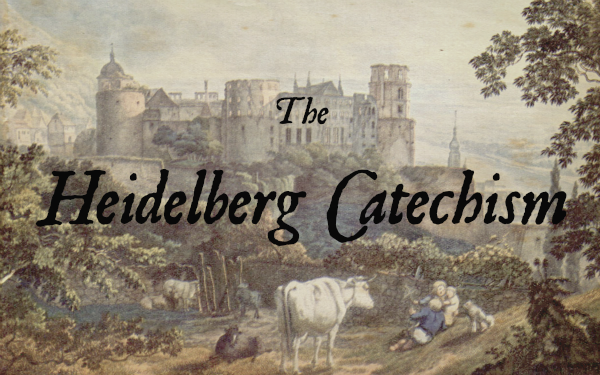
The Heidelberg Catechism, commissioned in 1563 by Palatine Elector Frederick III at the University of Heidelberg, anchored the Reformed faith with an enduring question: “What is your only comfort in life and in death?” The answer, “That I am not my own, but belong—body and soul, in life and in death—to my faithful Savior, Jesus Christ.” By the late 17th century, Reformed Protestants in the Palatinate faced persecution under Catholic rulers like Johann Wilhelm, whose brother and successor, Karl Philipp, banned the Heidelberg Catechism itself in 1719. Wars, famine and economic devastation compounded their suffering. Fleeing to America, the German Reformed found a refuge in Pennsylvania. John Philip Boehm gathered their first congregations in 1725, among them the Reformed people of Skippack from whom Old Goshenhoppen grew, and in 1727 Rev. George Michael Weiss first preached to the Goshenhoppeners. The church’s name was historically spelled “Goschenhoppen.”
Recognized by the Amsterdam Classis on November 12, 1730, the church earned its “Old” designation due to its proximity to Philadelphia, compared to New Goshenhoppen. In 1732, Reformed and Lutheran settlers formed a Union church, purchasing 38 acres in the tranquil Perkiomen Valley of Upper Salford Township from William Penn’s sons, erecting a log Gemeinhaus and, in 1746, a stone church. Named for the biblical Land of Goshen (Genesis 45:10; 47:27), the fertile land in Egypt where God provided for Israel before bringing them into the Promised Land, and “hoppen,” which tradition holds means a safe haven, Goshenhoppen reflected the settlers’ trust in God’s provision, while still alluding to the name of local Lenape chief Shakahoppa. Treasuring artifacts like the Schlatter Bible, the historic Gemeinhaus, and the unique Oyster Picnic, Old Goshenhoppen remains steadfast in its commitment to the Heidelberg Catechism, guided by pastors from John Philip Boehm to the present.
Founding and Early Years (1725–1744)
In November 1725, thirty-seven Reformed settlers at Skippack received the Lord’s Supper from Rev. John Philip Boehm, and from that congregation Old Goshenhoppen grew. On October 12, 1727, Rev. George Michael Weiss preached in the Goshenhoppen region and administered the Lord’s Supper at “a branch place called Goschenhoppen,” igniting the spark for Old Goshenhoppen Reformed Church in the Perkiomen Valley. By 1730 the Reformed congregation, meeting in a farmer’s barn in the Skippack region a few miles away, sought formal recognition from the Classis of Amsterdam, signaling their resolve to establish a lasting presence amid colonial hardships. In 1732, the Reformed and Lutheran congregations united, with Michael Reiher (Lutheran) and Jacob Keller (Reformed) securing 38 acres from William Penn’s sons. That fall, they built a log Gemeinhaus, serving as both church and schoolhouse, with land payments completed by January 12, 1738. In 1744, construction began on a stone church, its cornerstone laid on May 14, completed in 1746, and dedicated by Rev. Michael Schlatter on September 20, embodying the settlers’ determination to worship freely in a new land.
The Skippack Root: Boehm’s Letter
For many years it was believed, but could not be shown, that Old Goshenhoppen grew out of the Reformed congregation Boehm gathered at Skippack. Boehm’s own letter of April 20, 1744, settles the matter. He describes “Old Goshenhoppen, situated about four miles from Skippack, where the Lutheran and the Reformed people wish to build a union church (whereby again some members will be drawn away from Skippack, for until now this district had belonged to Skippack).” The Reformed people of Skippack and the Goshenhoppen congregation were one. That makes Old Goshenhoppen the second-oldest German Reformed congregation in America, after Falkner Swamp, where the first German Reformed communion in America was held a month before Skippack’s.
Rev. George Michael Weiss (1727; pastor 1746–1761)
Weiss, the first ordained German Reformed minister in America, reached Philadelphia that September aboard the William and Sarah, which had sailed from Rotterdam by way of Dover with about 400 Palatines. Within weeks he was preaching to the settlers who would become the Goshenhoppeners. Ordained in Heidelberg (1725), he ministered to settlers, sowing Gospel seeds. Boehm’s 1730 letter to Amsterdam notes Weiss’s work 10 miles from Falkner Swamp. Weiss moved to New York in 1731 but later returned. Under his later ministry the congregation received one of the Bibles sent through Rev. Michael Schlatter, known today as the Schlatter Bible (see below).
Rev. John Philip Boehm (from 1725)
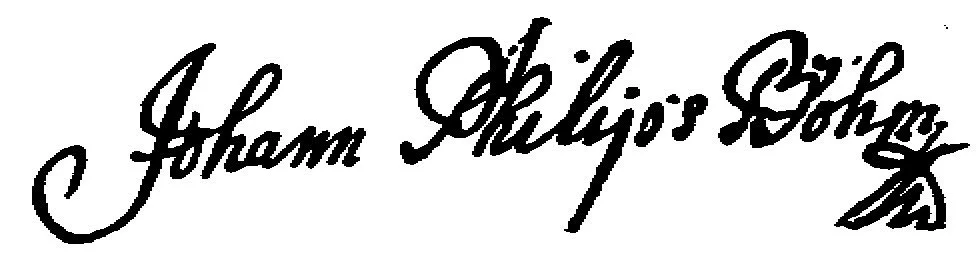
Fleeing to America, German Reformed settlers found refuge in Pennsylvania, where Boehm (1683–1749), founder of the German Reformed Church in America, served as Old Goshenhoppen’s first pastor from the congregation’s beginning at Skippack, guiding it from a small gathering to a community ready to purchase land, leading to the 1732 acquisition and Gemeinhaus construction. During this time he described Old Goshenhoppen’s members in a letter as, “the poor sheep at the end of the wilderness”. A schoolteacher from Hochstadt, Germany, and himself a pastor’s son, Boehm organized the first congregations at Falkner Swamp, Skippack and Whitemarsh. His Heidelberg Catechism-based constitution shaped congregational governance. When the newly arrived Weiss objected to an unordained man administering the sacraments, the matter went to Amsterdam, and Boehm humbly accepted ordination in New York in 1729. He laid the foundation for a great many Reformed churches in the region. In 1744, Boehm preserved Old Goshenhoppen’s Reformed identity when guest preacher Lischy, invited by the elders, attempted to introduce Moravian beliefs. Boehm intervened, convincing the elders to reaffirm their commitment to Reformed principles.
Rev. John Peter Miller (1731–1734)
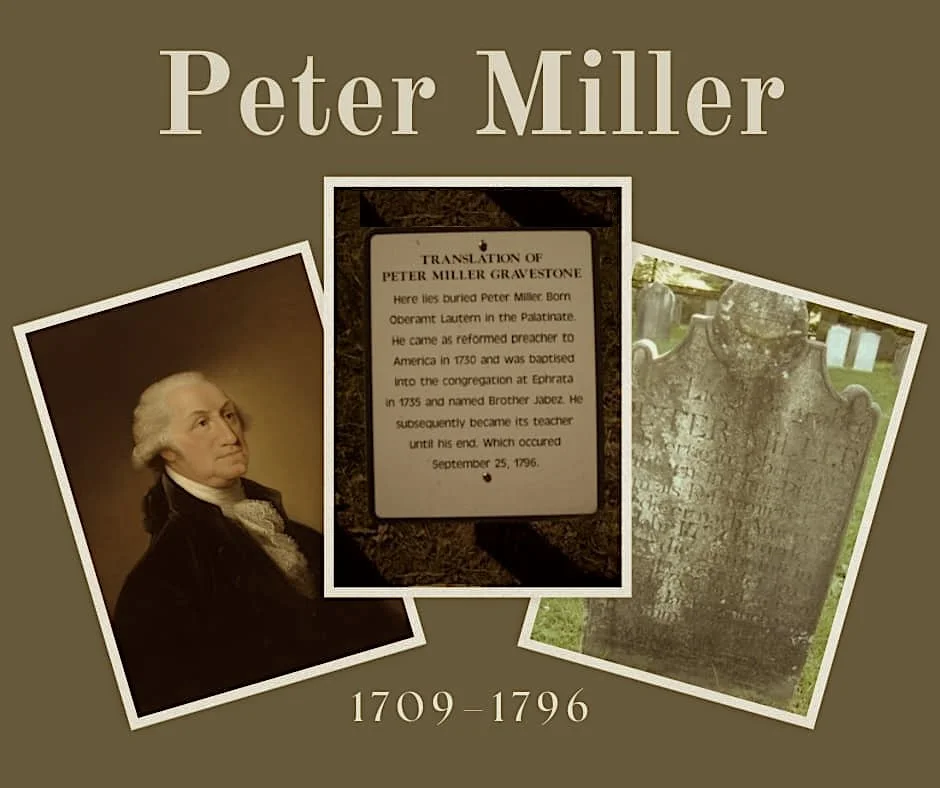
Heidelberg-educated Rev. John Peter Miller (1709–1796) served Old Goshenhoppen from 1731 to 1734, ordained by Presbyterians, during the early use of the Gemeinhaus. Sources differ on why he left. One says the congregation could not pay his full salary, another that he tried to draw the church toward the teachings of the Ephrata community; perhaps both are true. He gave up the ministry when his pastorate here ended, was baptized by immersion into Conrad Beissel’s Seventh Day community the following spring, and later entered the Ephrata Cloister as “Brother Jabez,” contributing to its music and printing for the rest of his life. A 1734 report by Rev. John Philip Boehm noted 40–50 families in the Old Goshenhoppen congregation. While at the Ephrata cloister, Miller lived near Michael Widman, a tavern owner and neighbor who despised him. When Widman was convicted of treason and sentenced to death, Miller walked nearly 60 miles to Philadelphia to plead for his life. Washington initially refused, stating he could not pardon Miller’s friend. “My friend?” Miller replied, “He’s not my friend. In fact, he’s my worst enemy!” Moved by Miller’s compassion, Washington granted the pardon. Miller arrived at the execution site as Widman, expecting malice, remarked that Miller had come to watch him hang. Instead, Miller presented the pardon, sparing Widman’s life. This act forged a connection with Washington, and tradition holds that Miller, a gifted linguist, was later asked to translate the Declaration of Independence into several European languages.
The 1732 Gemeinhaus: A Uniquely Historic Structure
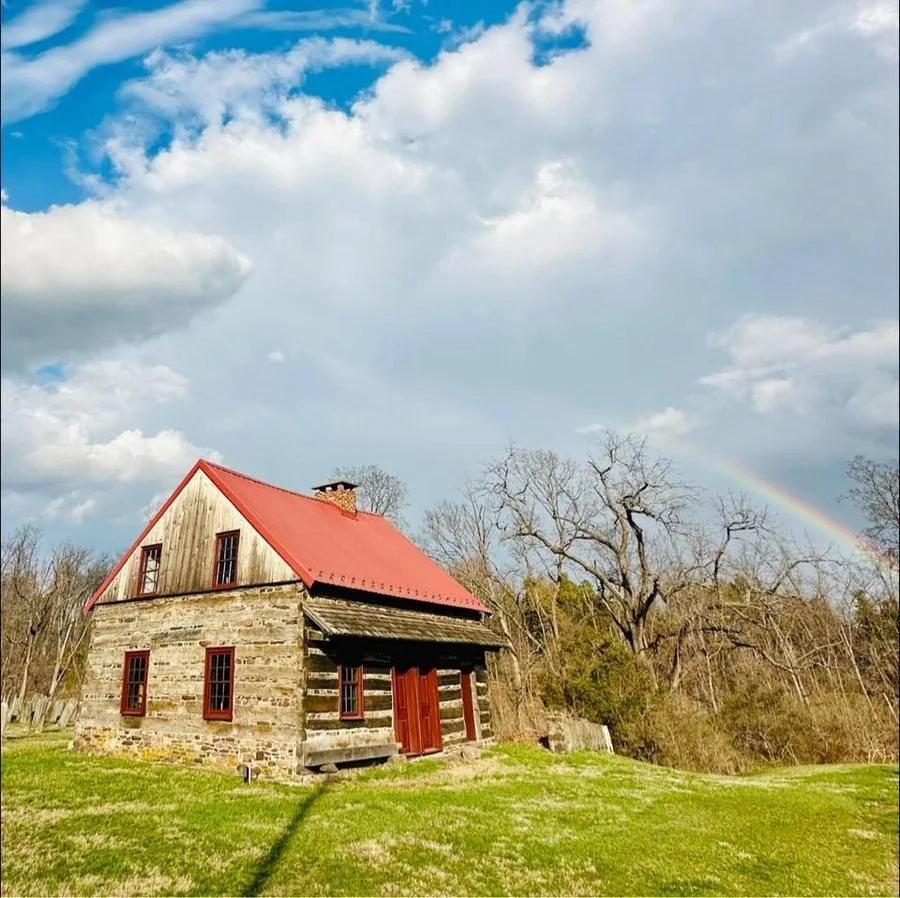
Built on land purchased from William Penn’s sons, the Gemeinhaus stands as the oldest surviving German-built church (used for worship 1732–1746) and schoolhouse (post-1746) in North America. It served as Old Goshenhoppen’s worship space until the 1746 stone church was completed, then continued as a schoolhouse, reflecting the church’s dual commitment to faith and education. Meticulously restored, it remains a cherished monument of the congregation’s early resilience. You can learn more about the Gemeinhaus and even help support the preservation of this historic structure by visiting: 1732gemeinhaus.org
Rev. John Henry Goetschy (1735–1740)
The “Boy Pastor,” Goetschy (1717–1774), arrived from Zurich in 1735, serving at age 17 after his father’s death. Preaching every third Sunday, he strengthened the congregation. Unordained until 1741, he also served Great Swamp and New Goshenhoppen, later joining the Dutch Reformed Church.
Rev. Peter Henry Dorsius (1741–1744)
Dutch Reformed minister Dorsius (1712–unknown) served from 1741 to 1744, arriving in 1737. Boehm’s 1744 report confirms Dorsius administering the Lord’s Supper. In 1744, he oversaw the laying of the cornerstone for the stone church, though it was not completed until 1746. He was removed from ministry at Old Goshenhoppen after slandering the original pastor Boehm at the pulpit, here is an accounting of the events from the early elders of Old Goshenhoppen: “When Mr. Dorsius, was at Goschenhoppen on the 24th of September, 1740, in his anger he spoke out against our minister, Mr. Boehm, he burst out, without any reserve, in the following expressions among many others: ‘If Boehm says that I have not sent the letters which he wrote regarding the church to Holland, he lies like a scoundrel’, and this he repeated several times. Further: Boehm counts no more in Holland than this boy (pointing to a little boy) and he must know that he has to learn of me, for he is no ordained minister. He is only placed here provisionally, and if he cannot keep his mouth shut, then I’ll make him. And more like that.” The eldership report of the situation also made clear they could attest to the ordination of Boehm.
The 1744 Cornerstone Agreement: A Covenant of Unity
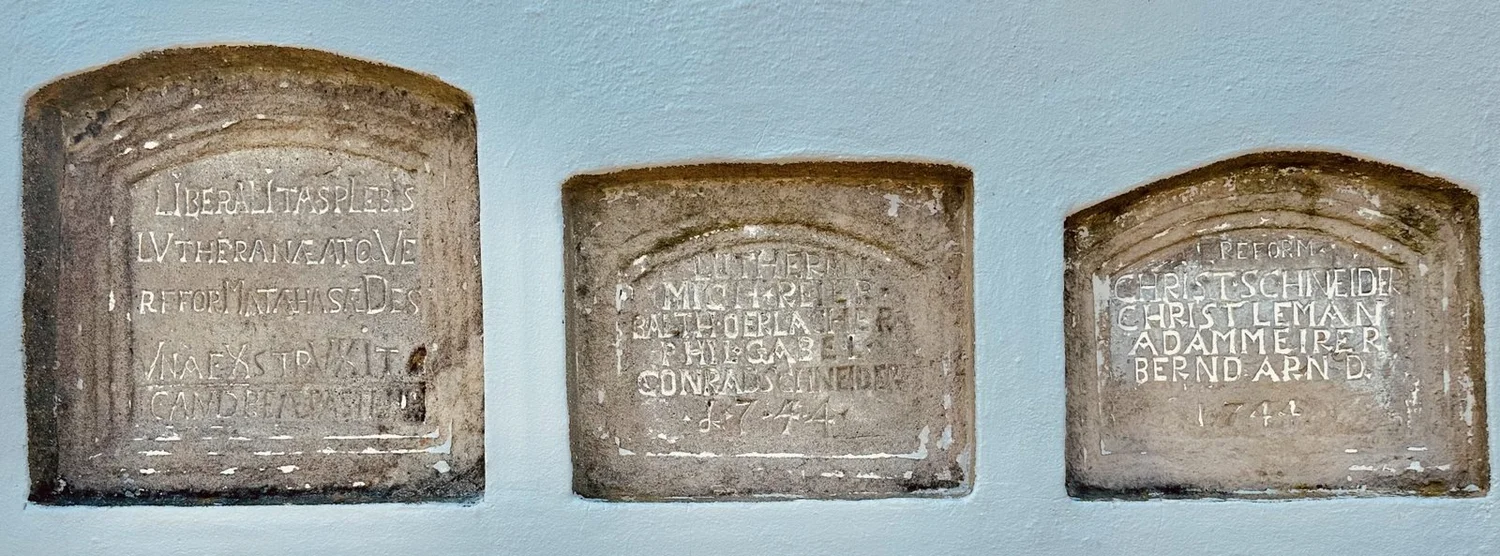
On May 14, 1744, the Lutheran and Reformed congregations cemented their Union church partnership by laying inside the Latin cornerstone of the new stone church, a document titled “In the Name of the Blessed Trinity, Amen.” This covenant outlined their shared commitment to unity and faith at Old Goshenhoppen:
- A prayer for God’s grace to foster love, prevent discord, and sustain harmony.
- Equal worship rights for both congregations, ensuring mutual respect and undisturbed services.
- Authority to bar false teachers, safeguarding the church’s doctrine by locking its doors.
- A hope for temporal and eternal blessings for future generations, with Christ as the cornerstone.
Signed by Reformed elders (Christian Schneider, Christian Lehman, Bernhard Arnd, Johann Liewer) and Lutheran elders (Michael Rieher, Balsar Gerlach, Philip Gabel, Conrad Schneider), this agreement endures as a testament to Old Goshenhoppen’s foundational unity. The cornerstone itself is inscribed in Latin, and its capital letters, read as Roman numerals, add up to the year it was laid. Tradition attributes the Latin to Rev. John Peter Miller, the congregation’s gifted second pastor, though he had left the ministry ten years before and the records do not say who composed it. The three stones inscribed with the 1744 date remain visible in the northeast corner of the current church building.
Growth and Consolidation (1745–1786)
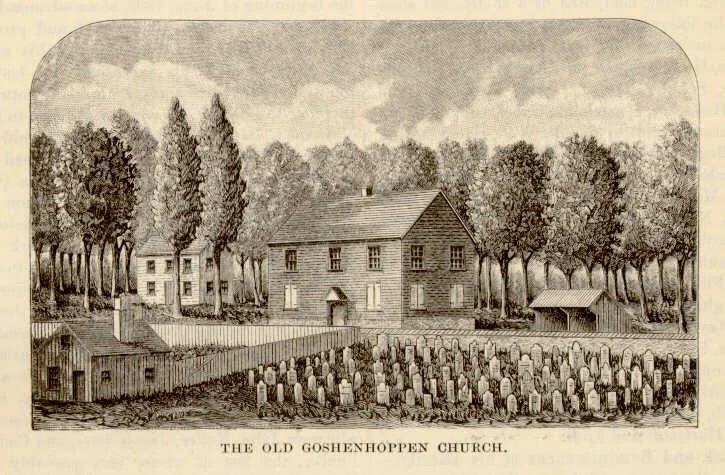
The construction of the Old Goshenhoppen stone church began in 1744, became usable in 1746, and was fully completed by 1748. Dedicated by Rev. Michael Schlatter on September 20, 1746, this milestone strengthened the church’s role as a spiritual and educational hub in colonial Pennsylvania during the Great Awakening and amid rising tensions with Native American tribes. By 1748, the 1732 Gemeinhaus transitioned into a schoolhouse under schoolmaster John Conrad Wirts, solidifying its community presence. In 1784, Rev. Frederick William Van der Sloot, Sr., would describe the first stone church era as follows: “Goschenhoppen Church is situated in the north-western part of Montgomery county. From its elevated location a delightful view is had. Before ones vision, far and near, there spread out in all directions, vast areas of cultivated and virgin forest land; while in the valley the waters of the Perkiomen creek rush wildly in and out among the hills on its winding course to the Schuylkill. Thirty-eight acres, all contiguous, now constitute church property, some of which is cultivated, although the larger portion is woodland. The church is a substantial one-story building; is heated by furnace; has a gallery around the three sides; is provided with a pipe organ; and has a seating capacity for several hundred. A union Sunday School meets regularly; and the Reformed and Lutherans conduct their services on alternate Sabbaths, as of yore.”
Rev. Frederick Casimir Mueller (1745–1746)
Mueller served only occasionally at Old Goshenhoppen, holding little sway as the 1700s congregation ultimately rejected him as a legitimate pastor. His unauthorized preaching reached a climax at New Goshenhoppen (which was more friendly to him at first) when he urged the congregation to ignore pastors like Michael Schlatter and George Michael Weiss, key figures in founding the German Reformed Church in the United States. Viewing Mueller as resembling a cult leader, Schlatter and Weiss resolved the conflict in 1746, when George Michael Weiss took over the ministerial role.
Rev. George Michael Weiss (1746–1761)
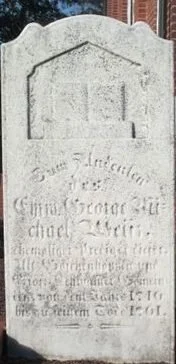
Returning in 1746, Weiss served Old Goshenhoppen, New Goshenhoppen, and Great Swamp until his death in 1761, having fled his previous church in Rhinebeck, near Albany, New York, due to warring Indians in the New York region. His leadership strengthened the church as the colonies neared revolution, despite challenges from a faction loyal to an unlicensed schoolmaster named Maul who was struggling to teach due to his age. In 1746, Weiss and Schlatter investigated mishandled funds from Holland, resolving the issue by 1747 and paying off the debts accrued due to the mishandling by 1750. Schlatter’s visits (1746, 1747) found the church thriving. Weiss joined the 1747 Coetus with delegates Christian Schneider and Daniel Hister. Weiss had become wealthy, and he was a slaveholder. At his death, and his wife’s, his slaves were the heirs of his estate and received their freedom; they lived afterward in Green Lane. Weiss is buried at New Goshenhoppen.
This should be named plainly, and it should also be weighed by Scripture. The slavery regulated in the Bible was not the same as the race-based, lifelong chattel slavery practiced in America. God’s law condemned the very act on which the transatlantic slave trade was built: “Whoever steals a man and sells him, and anyone found in possession of him, shall be put to death” (Exodus 21:16). Paul sent Onesimus back to his master Philemon with these words: “For this perhaps is why he was parted from you for a while, that you might have him back forever, no longer as a bondservant but more than a bondservant, as a beloved brother—especially to me, but how much more to you, both in the flesh and in the Lord” (Philemon 15–16). The gospel makes master and servant brothers in Christ, and Paul’s letter makes clear that God’s desire was for the practice to end.
Rev. Michael Schlatter (Visiting Pastor, 1746–1751)
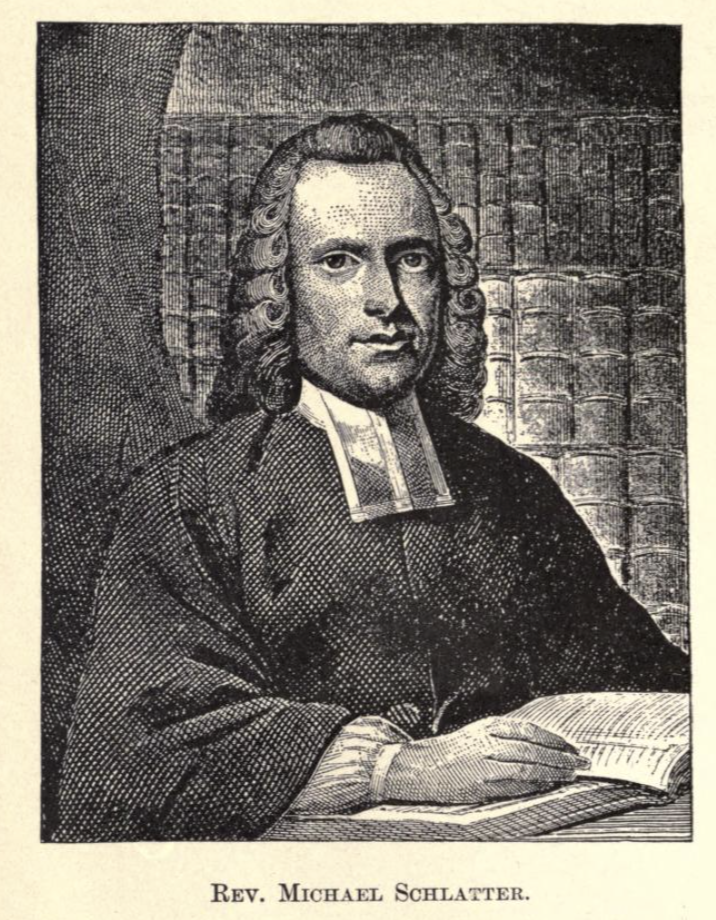
Swiss-born Michael Schlatter (1716–1790) seemingly may have preached his first sermon in the New World at Old Goshenhoppen, noting the friendly and kindly nature of its people but expressing concern about whether this small congregation could sustain itself. He helped further organize the Reformed Church, visiting Old Goshenhoppen in 1746, 1747, 1749, 1750, and 1751. His 1747 Coetus unified the church, and his 1751 fundraising secured 800 Bibles in Luther’s German translation, given to some 500 congregations he found faithfully Reformed, ours among them. He eventually would spend much of the Revolutionary War imprisoned by the British in Philadelphia for supporting the Revolution. His home on Chestnut Hill was looted and once freed, he would never fully recover financially, but had enough for a more modest living.
The Schlatter Bible: A Symbol of Gospel Heritage
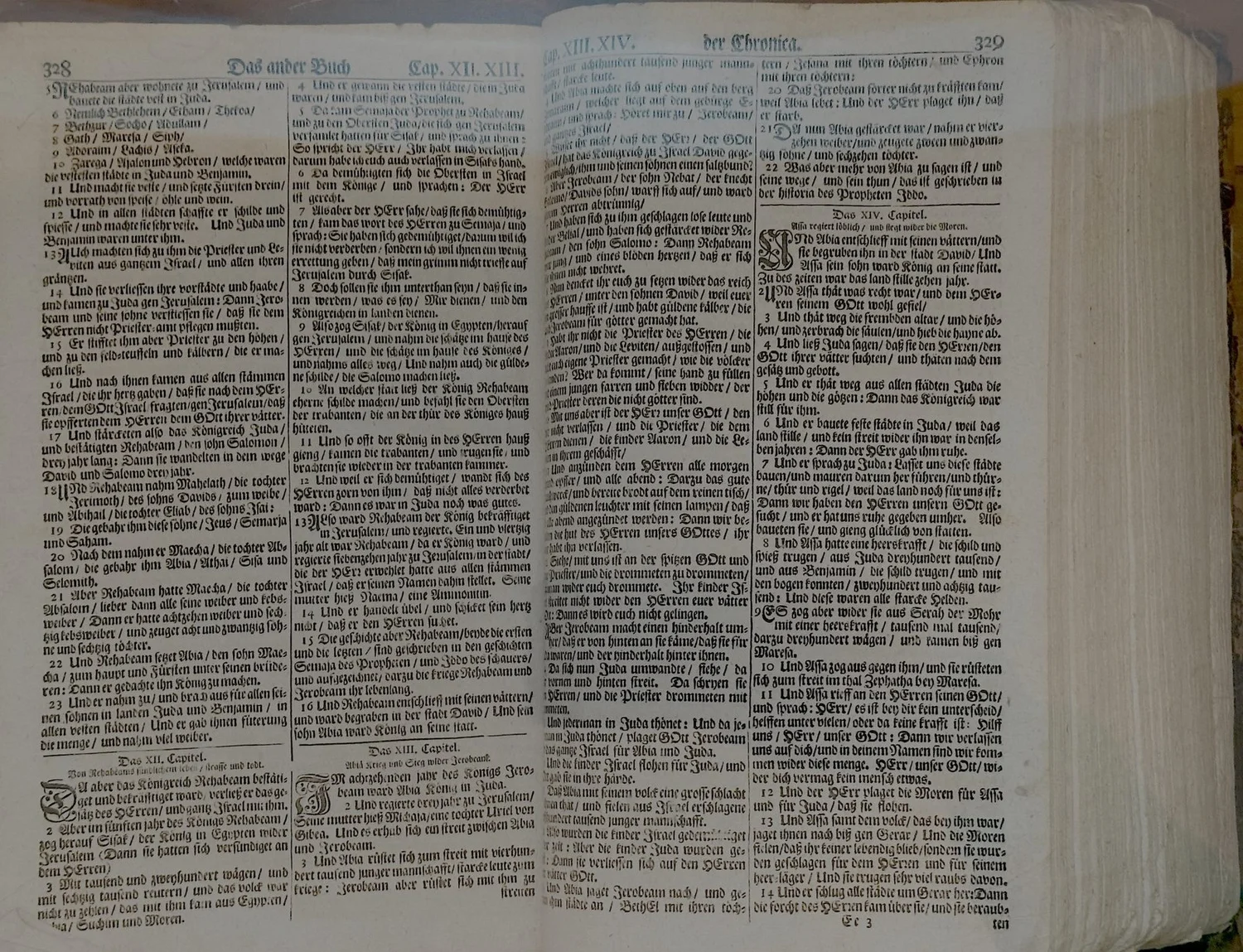
In the 1750s, under Weiss’s leadership, Old Goshenhoppen received one of the Schlatter Bibles, a 1747 Basel-printed folio of Luther’s German translation. Fewer than ten are known to survive, and ours is one of them. It was nearly lost: during the early twentieth-century renovation, Rev. Thomas R. Brendle recognized it in a trash pile under the church stairway. Today it symbolizes the church’s role in spreading the Gospel to German settlers and is preserved as a priceless artifact.
Stability and Challenges (1762–1819)
The Union church arrangement with Old Goshenhoppen Lutheran endured, sharing the stone church through the tumult of the Revolutionary War (1775–1783), which saw Pennsylvania as a battleground and burial ground for soldiers, some interred in the church’s graveyard. The 1774 installation of a pipe organ, with Heinrich Hemsing as organist and schoolmaster (1772–1778), enriched worship and education, sustaining the congregation’s spirit amid war. Between 1808 and 1811, the log Gemeinhaus was renovated with plastered walls, larger windows, two side doors and a wooden floor, reinforcing its role as a schoolhouse during the early republic’s growth, as the church navigated post-war recovery and national formation.
Rev. Jacob Riess (1762–1765)
Riess served irregularly during the colonial tensions, likely being more of a supply pastor as the nation was headed towards Revolutionary War. Little is known about his pastoring Old Goshenhoppen. We do know he had been minister in charge at Indian Field and Tohickon from 1749-53. But it appears he had not been a regular pastor since the year 1753. He likely was filling the pulpit as a stopgap measure. He died on December 23, 1774.
Rev. John Theobald Faber, Sr. (1766–1779, 1786–1788)
German-trained Faber, Sr., led through the Revolutionary War, also preaching at Tohickon. Called to Lancaster in 1779, he returned in 1786 and died while preaching at New Goshenhoppen in 1788, as the new nation stabilized. During his tenure, the first pipe organ was installed in 1774, with Heinrich Hemsing as organist, enhancing worship.
Rev. John William Ingold (1780–1781)
Rev. John William Ingold, born on October 4, 1734, near Koblenz, Germany, served Old Goshenhoppen Church in Upper Salford, Montgomery County, from 1780 to 1781, during the church’s 50th anniversary and the post-Revolutionary War recovery. The son of Rev. John William Ingold Sr., he enrolled at Heidelberg University on August 4, 1754, was ordained there on May 10, 1762, and served in London, England, in 1774. Arriving in Pennsylvania later that year, Ingold’s brief ministry at Old Goshenhoppen occurred as the congregation marked a half-century of worship in the German Reformed tradition, amidst a time of regional rebuilding. He also served other nearby churches, including in Reading and Bucks County, before his exclusion from the German Reformed Church in 1801. Ingold died sometime after 1801.
Rev. Frederick Daellicker (1782–1784)
Swiss-born Rev. Frederick Daellicker, was an unmarried pastor, when he led Old Goshenhoppen Reformed Church from 1782-1784. Geopolitically during this time the United States was crafting its Constitution. However at age 48, shortly after leaving the Old Goshenhoppen pulpit, he ended up being married on October 12, 1786, at First German Reformed Church in Philadelphia, Pennsylvania.
Rev. Frederick William Van der Sloot, Sr. (1784)
Rev. Frederick William Van der Sloot, Sr., was born on September 27, 1744, in Zerbst, Germany, to Rev. Friederich Heinrich von der Schlots. In 1772, he married Louisa Henrietta Schultz in Germany. As a missionary sent by a German Reformed Convention in Prussia, he arrived in Pennsylvania around 1779–1780, leaving his wife and son, Frederick William Van der Sloot, Jr., in Germany. In 1784, after Louisa’s death, he married Anna Margaretta Reed. That year, he served as pastor at Old Goshenhoppen Reformed Church in Pennsylvania, overseeing baptisms, marriages, and congregational duties amidst post-Revolutionary War challenges. He died in 1803 and, according to family genealogical records, is believed to be buried at Goshenhoppen.
A Testimony From The Old Goshenhoppen Burial Ground
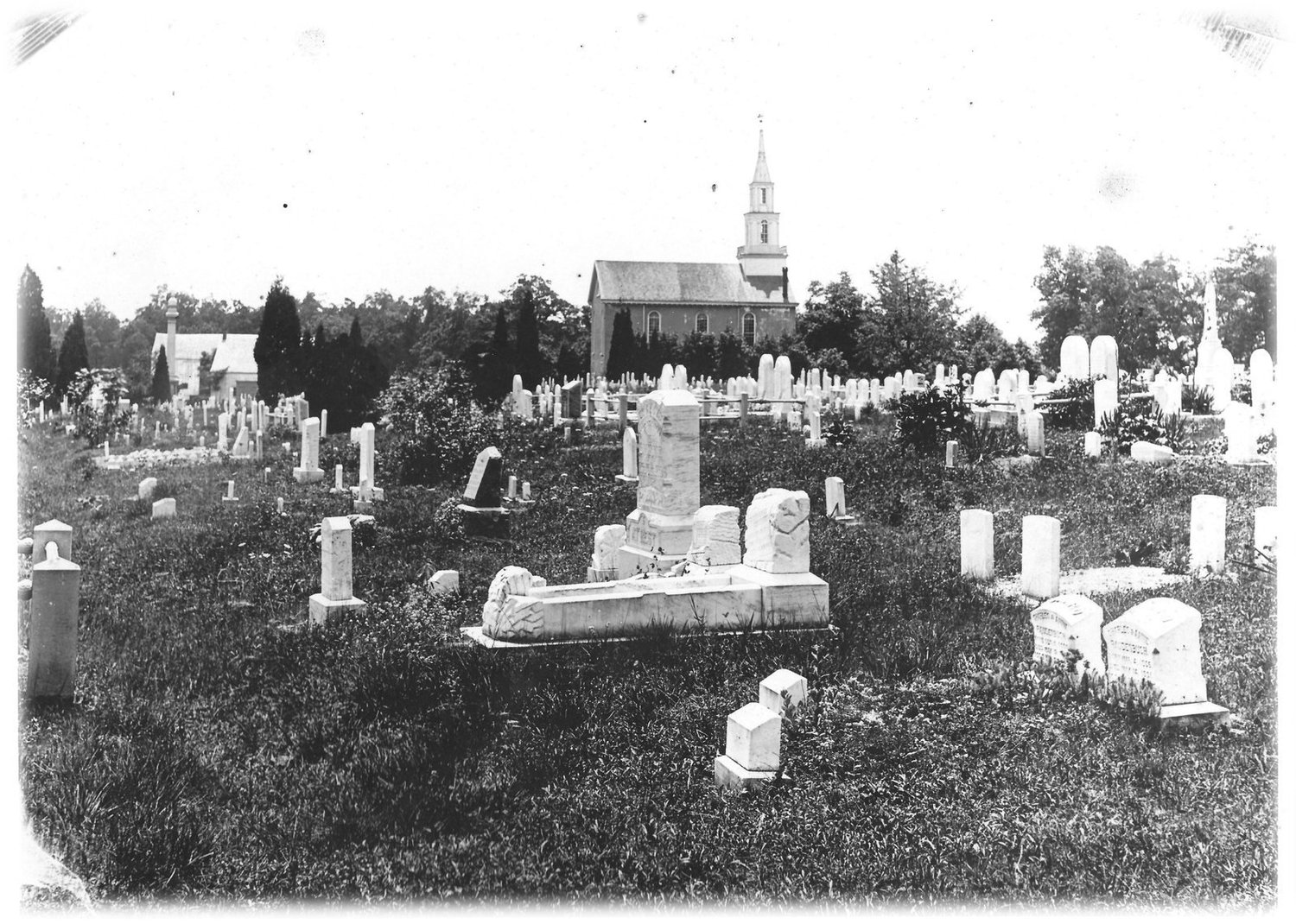
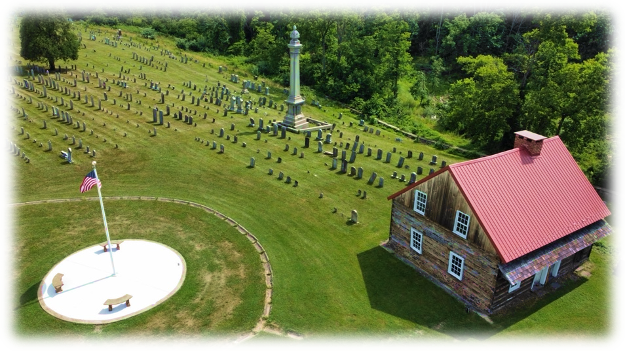
An account from the 1800s says Goshenhoppeners were already burying loved ones here by the spring of 1729, likely before the 1732 Penn family purchase—a common colonial practice as settlers used land while awaiting deeds. The current earliest marker we can identify is dated 1745. Over the decades, the cemetery grew to include those who shaped the nation’s early history. A bronze plaque by the Daughters of the American Revolution commemorates our many Revolutionary War soldiers buried on this site. In 1863, James Smith, a Reformed congregant serving in a Pennsylvania cavalry regiment, answered a call to aid George Custer’s stalemated cavalry at Gettysburg and was mortally wounded. He rests close to the Gemeinhaus, near four of his eight children. A flag circle with benches behind the church, dedicated to the memory of Howard Landis, a World War II veteran and elder of Old Goshenhoppen, allows for quiet contemplation of the grounds. Headstones, some in German script, bear weeping willows and crosses, symbolizing hope in Christ’s resurrection. More than a testament to America’s conflicts and ordinary lives, this sacred ground whispers of the Goshenhoppeners’ faith, forever anchored in the Spirit of Christ’s redeeming love.
Rev. Nicholas Pomp (1789–1790)
Following Faber Sr.’s (1786–1788) sudden death at the pulpit, Rev. Nicholas Pomp, a European-born minister of humble origins, served Old Goshenhoppen Reformed Church from 1789 to 1790, as the U.S. adopted its Bill of Rights. Pomp married Elisabeth Dotterer in 1772, linking him to the Antes family, founders of the German Reformed church. Their son, Thomas, became a pastor. In 1774, Pomp published a theological work refuting Universalist doctrines. His brief time at Old Goshenhoppen followed 18 impactful years at Falkner Swamp.
Rev. John Theobald Faber, Jr. (1791–1807)
In 1807, Rev. Faber, Jr. departed for New Holland. He would return in 1818 and when he did, he would contribute to a rift among Old Goshenhoppen, New Goshenhoppen, and Swamp Church, leading to a schism of the congregations. However before leaving the pulpit, that first time, he oversaw repairs to the schoolmaster’s house and parsonage. At that time, the parsonage was located in Green Lane.
Rev. Alfred Helffenstein, Jr. (1808–1811)
Beginning June 19, 1808, Helffenstein struggled with German, departing for Carlisle in 1811, as tensions built toward the War of 1812. During his tenure, the original log schoolhouse was updated with new floors, plastered walls, bigger windows, and two additional doors added on the original church road side, enhancing the congregation’s educational facilities. By tradition, the two doors came from the first stone church, and one small early window survives in the Gemeinhaus today.
Rev. Frederick William Van der Sloot, Jr. (1812–1818)
Rev. Frederick William Van der Sloot, Jr., born November 11, 1773, in Dessau, Germany, arrived at Old Goshenhoppen Reformed Church on November 12, 1812, serving until 1818 during the Second Great Awakening. Son of former Old Goshenhoppen pastor Rev. Frederick William Van der Sloot, Sr., he remained in Germany for education at the University of Leipzig, emigrating to America in 1801. Licensed by the Synod in 1802 and ordained in 1803, he married Catherine Deiser Pauli in 1802, with whom he had 13 children. Known for vibrant preaching, he ministered to Old and New Goshenhoppen, Trappe, and Long Swamp, strengthening the German Reformed community. He baptized Augustus Dechant, Old Goshenhoppen’s eventual longest-serving pastor. A scholar and poet, he left for Philadelphia’s Salem Church in 1818, later serving in Virginia and York County, where he died in 1831, buried at Holtzschwam Church, Paradise Township.
Division and Endurance (1819–1832)
In 1818, Old Goshenhoppen parted ways with New Goshenhoppen and Great Swamp. Those two congregations met without Old Goshenhoppen and voted to bring back Rev. John Theobald Faber, Jr.; given no voice in the matter, Old Goshenhoppen chose to go its own way and called Rev. Dechant, who began the following year. This separation ended more than eighty years of shared ministry, reflecting the congregation’s resolve to preserve its distinct Reformed identity. Amid the early 19th century’s religious revivals and national expansion, the church stood firm, celebrating its 100th anniversary in 1830 as a testament to its enduring Gospel witness.
Rev. Jacob William Dechant (1819–1832)
Rev. Jacob William Dechant, born in Kreuznach, Palatinate, on February 18, 1784, began leading Old Goshenhoppen on December 25, 1819, after immigrating to America in 1805 and training as a pastor in Baltimore, Maryland. Initially considering ministry in the Ohio Valley—then the “West”—he instead served in Goshenhoppen, where he became a successful pastor, earning a $170 salary in 1820 and overseeing numerous baptisms. He led the church through its 100th anniversary in 1830, marking a century of faithfulness. Tragically, Dechant died on October 5, 1832, at a young age, after a 100-mile journey undertaken shortly after recovering from pneumonia. Rev. Daniel Hertz noted, “I never saw anyone bear affliction so patiently… He died like a true Christian,” with his family by his side. Years later, it was said, “Pastor Dechant proved a diligent and good servant of the Church. The fruits of his labors are still being gathered by those who succeeded him.”
Trial and Renewal (1833–1894)
From the sudden loss of Rev. Dechant to the antebellum era, Civil War (1861–1865), Reconstruction, and the Gilded Age’s industrial boom, Old Goshenhoppen faced trials that tested its resolve. The congregation introduced occasional English services in 1843, reflecting a linguistic shift, though German remained dominant. In 1848, a larger pipe organ by George S. Krause replaced the original, enhancing worship. In 1857, the Lutheran and Reformed congregations agreed to build a new stone church, completed in 1858 under architect George Snyder for $5,000, with a cornerstone laid on May 15 and a bell installed for $205. A stone house for the schoolteacher-organist followed, reinforcing education. In 1876, the Old Goshenhoppen Union Sunday School was established, and a 593-pound bell, inscribed “Meneely & Kimberly, Troy, N.J., Founders—1876,” was installed. In 1881, the Lutheran congregation adopted a separate “Kirchenbuch,” signaling worship divergence. By 1887, Henry R. Gabel (Lutheran) and Isaac G. Grimley (Reformed) initiated separate chartering, finalized in 1890 with independent incorporations. A third pipe organ by Charles Durner was installed in 1890, and in 1897, bylaws expanded voting rights to all members, reflecting a commitment to renewal amidst change.
Rev. Andreas Hofmann (1833–1859)
Hofmann served for 26 years, guiding the congregation through growing sectional tensions that led to the Civil War. In 1843, he oversaw the introduction of occasional English services, reflecting linguistic shifts. In 1848, he facilitated the replacement of the first pipe organ with a larger one by George S. Krause. In 1857, he led the decision to build a new, larger stone church, with construction beginning in 1858 under architect George Snyder. The cornerstone was laid on May 15, 1858, and the church was completed by October 1, 1858, strengthening its role as a center of worship. A stone house for the schoolteacher-organist was also built during this time.
1858: A New Stone Sanctuary
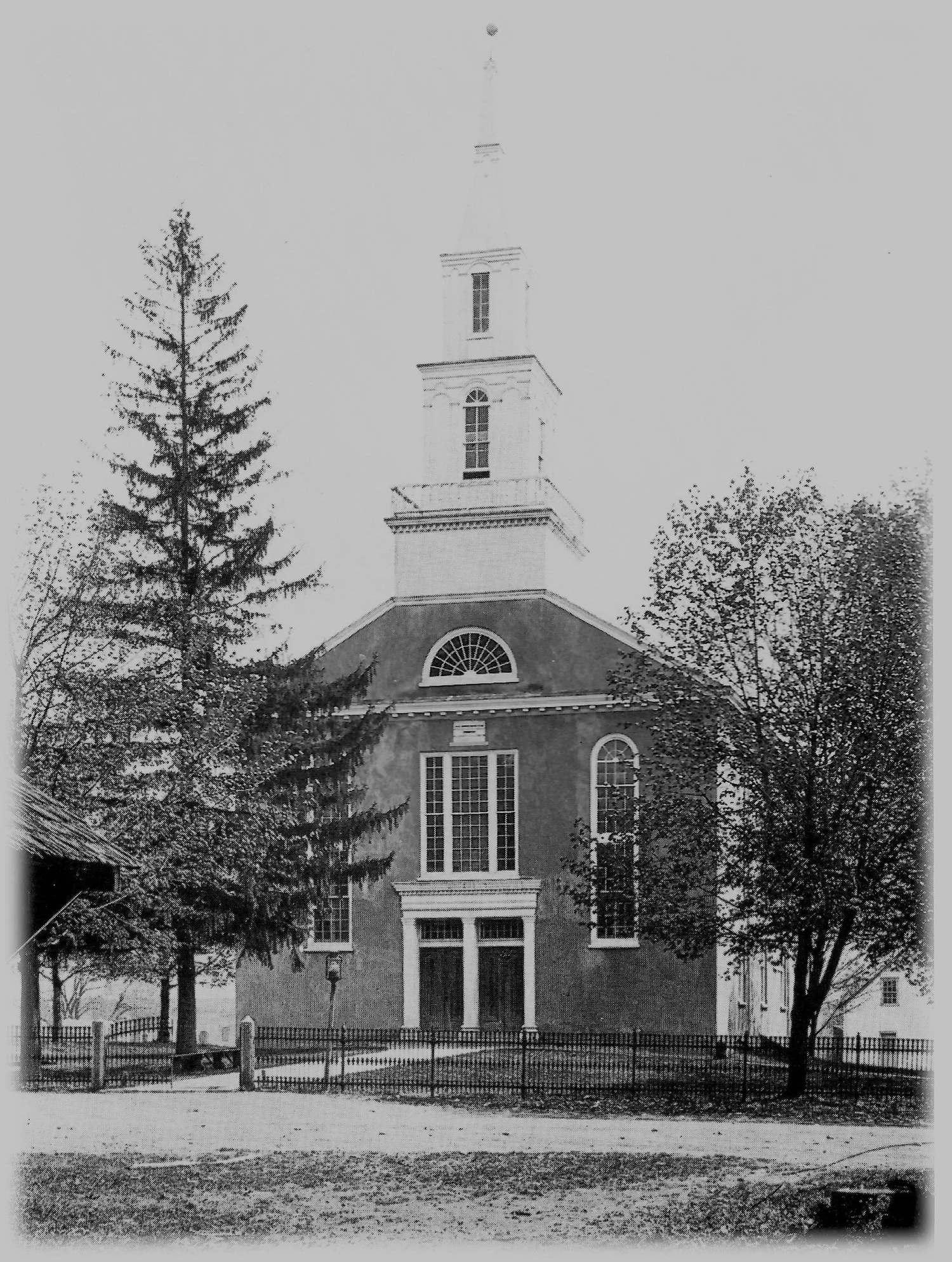
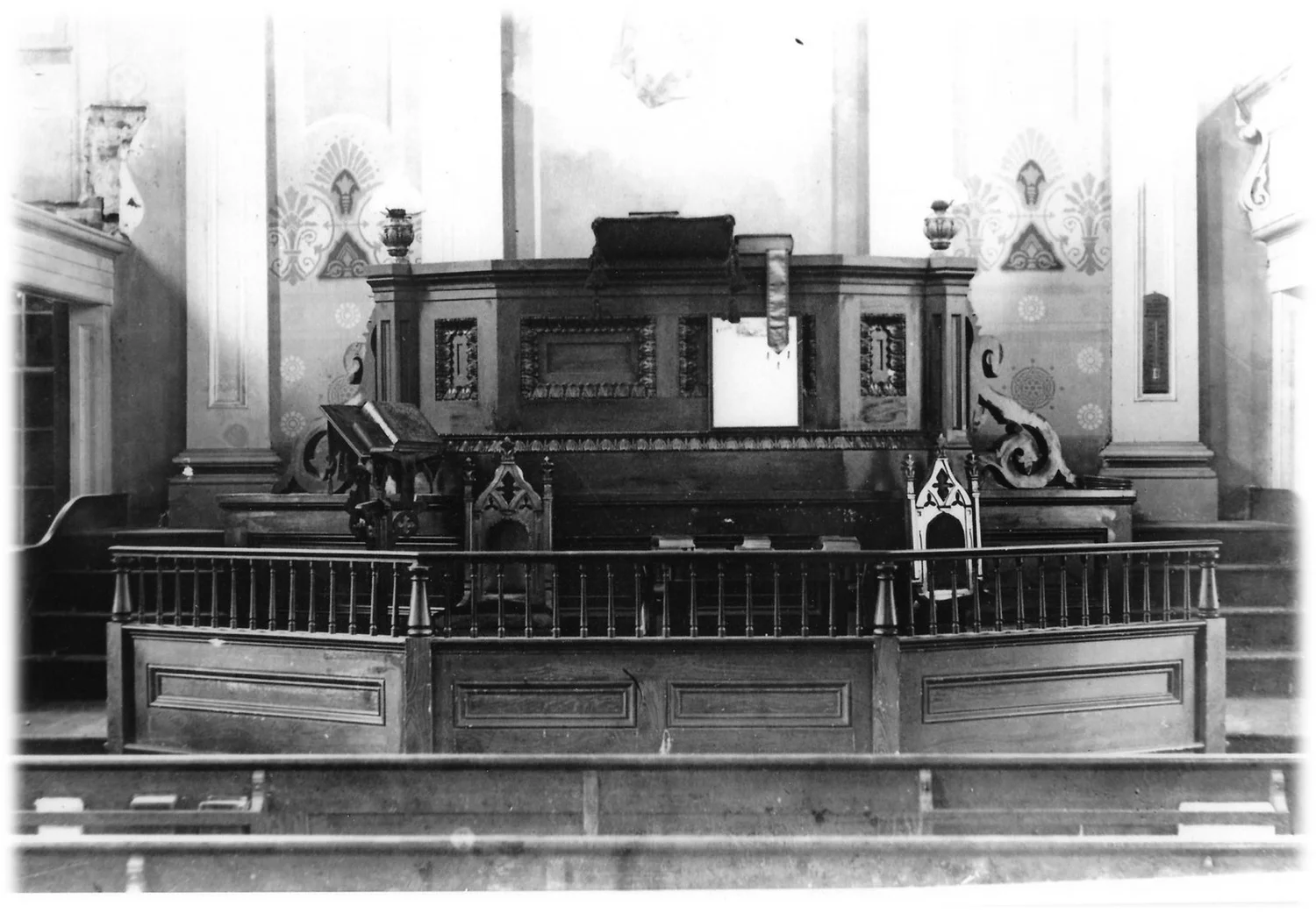
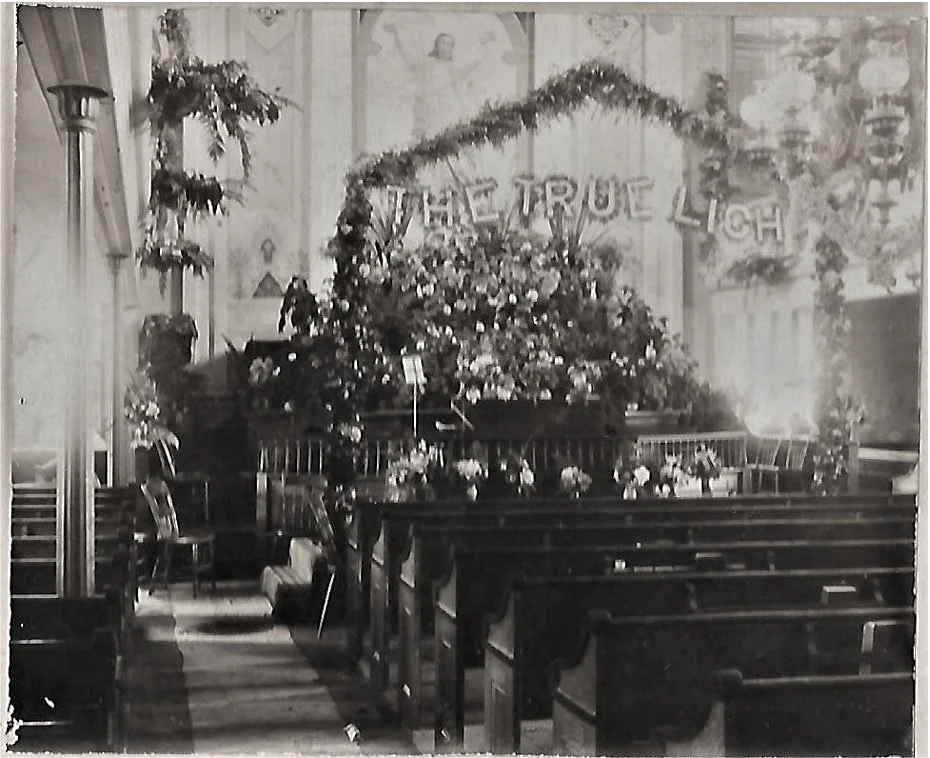
In 1857, under Rev. Andreas Hofmann’s leadership, the Lutheran and Reformed congregations of Old Goshenhoppen united to replace the aging 1746 stone church with a new, larger sanctuary to serve a growing community. Designed by architect George Snyder and built for $5,000 upon the foundation of the 1746 sanctuary, the new stone church was constructed in 1858, with its cornerstone laid on May 15 and dedication held on October 1. The cornerstone of 1744 was set into the new walls beside the new stone. Completed just before the soon-to-be turbulent times of the Civil War, this new church stood as a testament to the congregation’s unwavering commitment to proclaiming Christ’s Gospel, ensuring the church remained a steadfast light of faith and hope.
Rev. Robert A. Van Court (1859–1861)
Led briefly during the secession crisis following Abraham Lincoln’s election, as the Civil War loomed, overseeing the final payment to builder George Snyder on April 12, 1859.
Rev. Augustus L. Dechant (1862–1894)
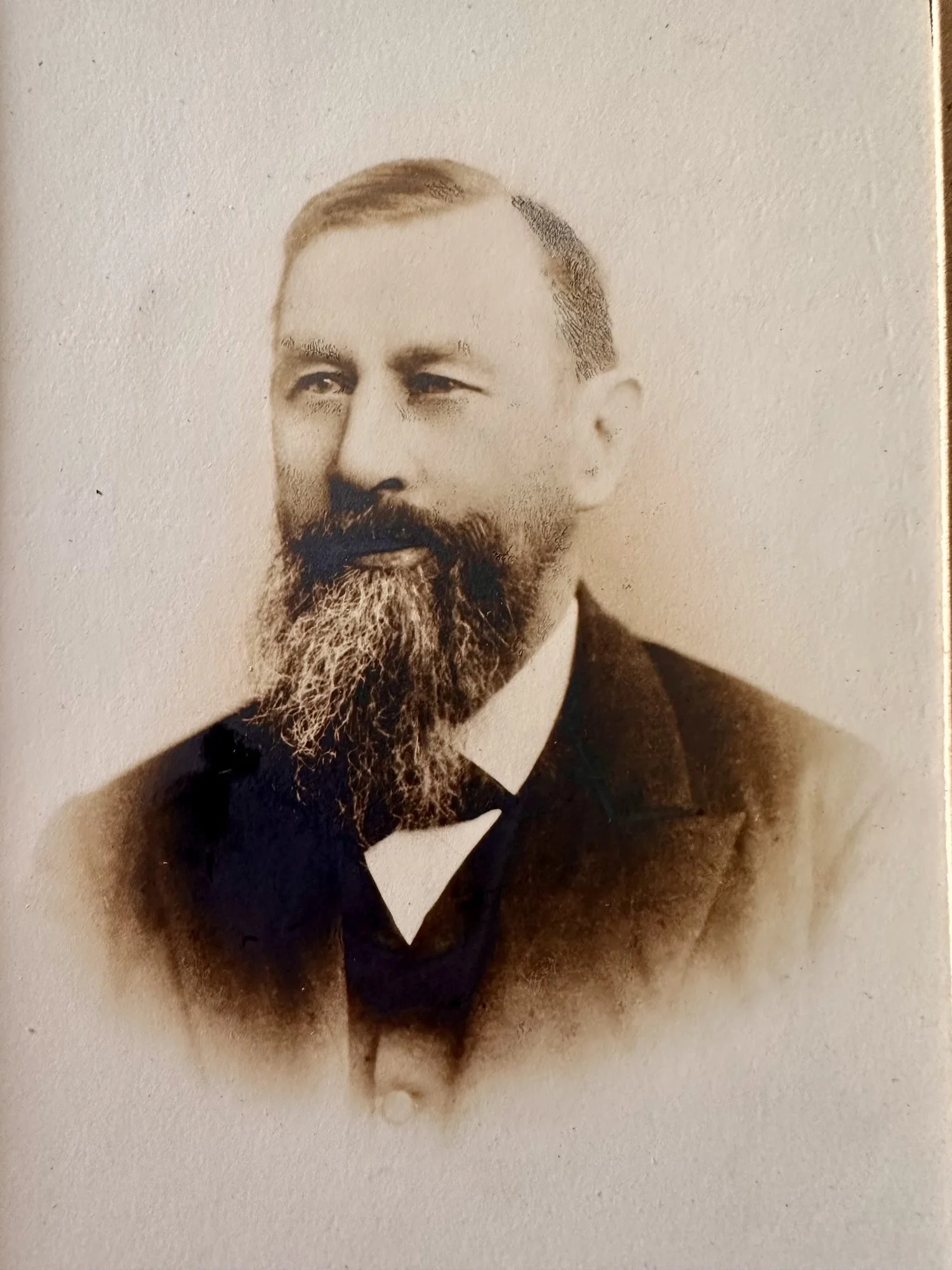
Growing up with connections to the Old Goshenhoppen congregation and baptized by Reverend Frederick William Van der Sloot Jr., Augustus, originally a tailor by trade, became the longest-serving pastor in the history of the congregation, serving 32 years, his final years in a supportive role. Augustus served through the Civil War, Reconstruction, and the Gilded Age. In 1876, he oversaw the establishment of the Old Goshenhoppen Union Sunday School and the installation of the 1876 church bell, facilitated by trustee Henry G. Groff. In 1887, he supported the appointment of Isaac G. Grimley to pursue separate chartering, finalized in 1890 with the incorporation of the Reformed congregation. That same year, he oversaw the installation of the third pipe organ by Charles Durner. In 1897, he endorsed the bylaw amendment allowing all members to vote. He guided the congregation during the church’s 150th anniversary (1880), a milestone in its enduring legacy. Of his ministry it was said, “His means had been limited and his opportunities comparatively few. But he surely made the most of these. Few pastors know better how to present the truth, as he understands it, in a more forcible and effectual way.”
The Oyster Picnic: A Timeless Tradition
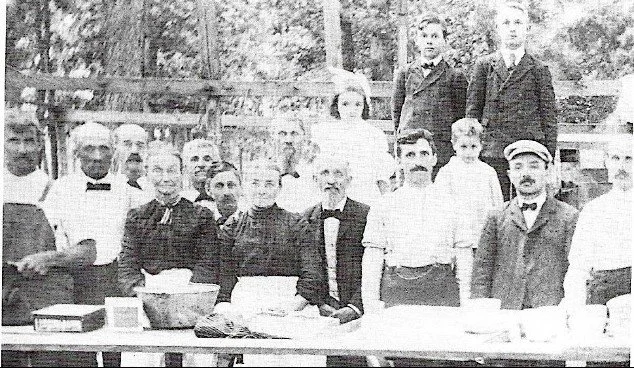
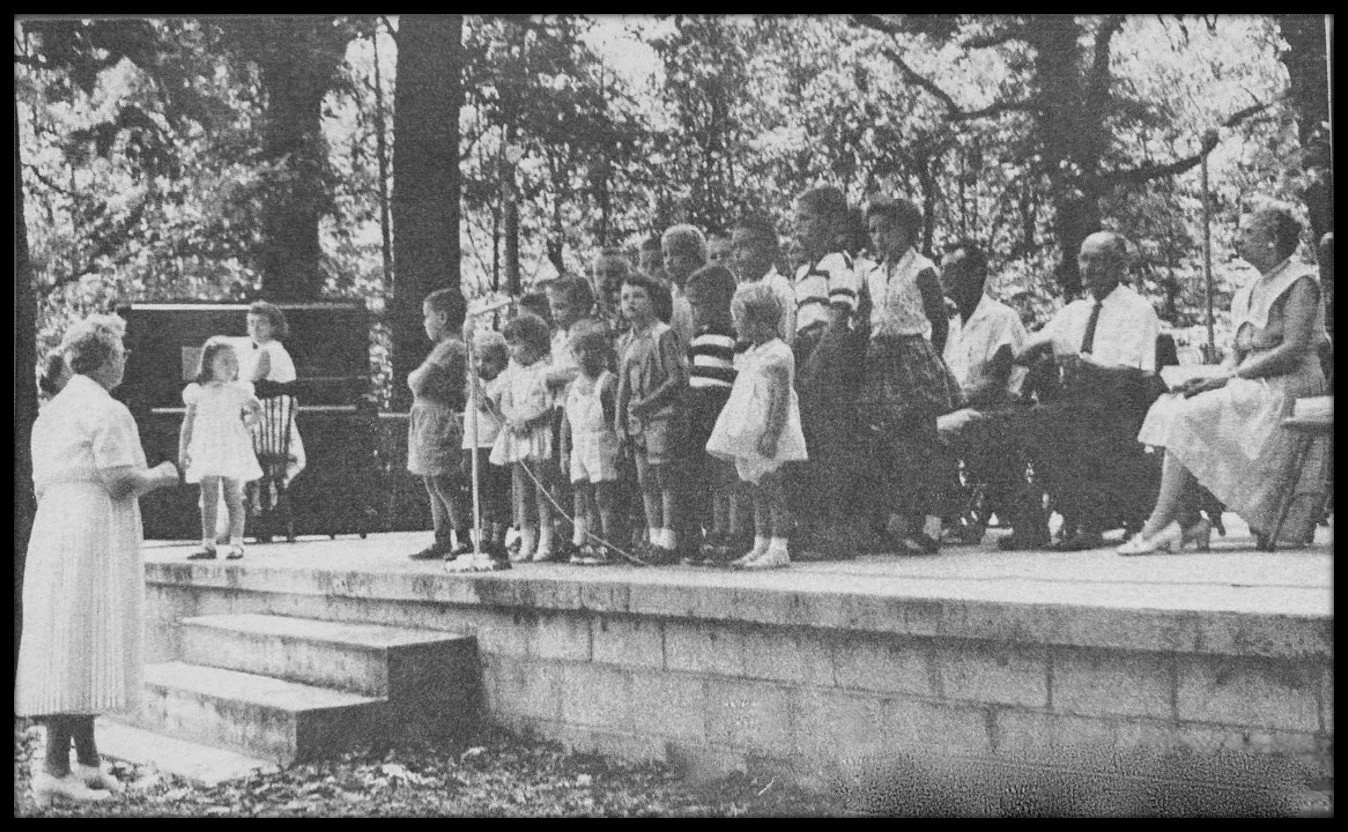
Since 1877, Old Goshenhoppen Reformed Church has hosted its Oyster Picnic on the first Saturday after Labor Day. Oysters, a rare treat in landlocked Pennsylvania, came out on ice by the Reading Railroad, along with visitors from Philadelphia, and were served raw, fried or stewed in the church’s grove. The picnic became a regional draw, with special trains from Norristown and Philadelphia bringing thousands to Upper Salford. By the early 1900s, it was a community cornerstone, marked by events like a 1915 ring dance sparking lifelong romances, a 1924 flirtation leading to 161 descendants, and a 1928 biplane landing in a nearby field, delighting attendees. The menu grew to include roasted peanuts, ice cream, and Pennsylvania Dutch treats like shoofly pie, with children enjoying penny candy and games. For a few years in the early 2000s, horse-and-wagon rides circled the property, though one year Cressman’s horse escaped and galloped through the cemetery, adding to picnic lore.
Over the decades, the Oyster Picnic evolved while preserving its heart. By the 1950s, Sunday School children marched to the grove to sing, and families served stews together. The 1980s introduced funnel cakes and bratwurst, and Pastor Bill Gaydos added oysters on the half shell in the 1990s, attracting new crowds with fresh bivalves. The old bandstand, a cinderblock dugout with a concrete platform and deteriorating underground walls, was demolished in spring 2002 after bands refused to play without a roof due to past rainouts. The current band shell, completed for that fall’s picnic, now shelters bluegrass performances. Despite challenges—like a 2019 tornado felling historic oaks or a 2020 pandemic—the community rebuilt pavilions and adapted traditions. Today, the picnic blends history with modern flavors like smoked salmon sandwiches and birch beer floats, alongside Gemeinhaus tours. More than a fundraiser, it unites generations through faith, fellowship, and shared stories, from early love stories to enduring community spirit, making it a cherished celebration.
Steadfast Amid Conflict (1890–1949)
Navigating the Spanish-American War (1898), World War I (1914–1918), the 1918 Spanish flu pandemic, the Great Depression (1929–1939), and World War II (1939–1945), Old Goshenhoppen demonstrated unwavering resilience. In 1914, the Union Ladies Aid Society formed, bolstering church initiatives. A 1915 renovation expanded the church by 18 feet, relocated the sanctuary upstairs, added a ground-floor assembly room, and installed stained glass windows, shaping its current form. In 1922, during the 190th anniversary, the Union Ladies Aid Society funded a Memorial Monument to Unknown Dead in the cemetery, honoring Revolutionary War soldiers. In 1929, Deagon Chimes were added to the pipe organ, and in 1936, a pavilion was built in the picnic grove, enhancing community gatherings as the church stood firm through global upheaval.
Rev. J. Lucian Roush (1890–1913)
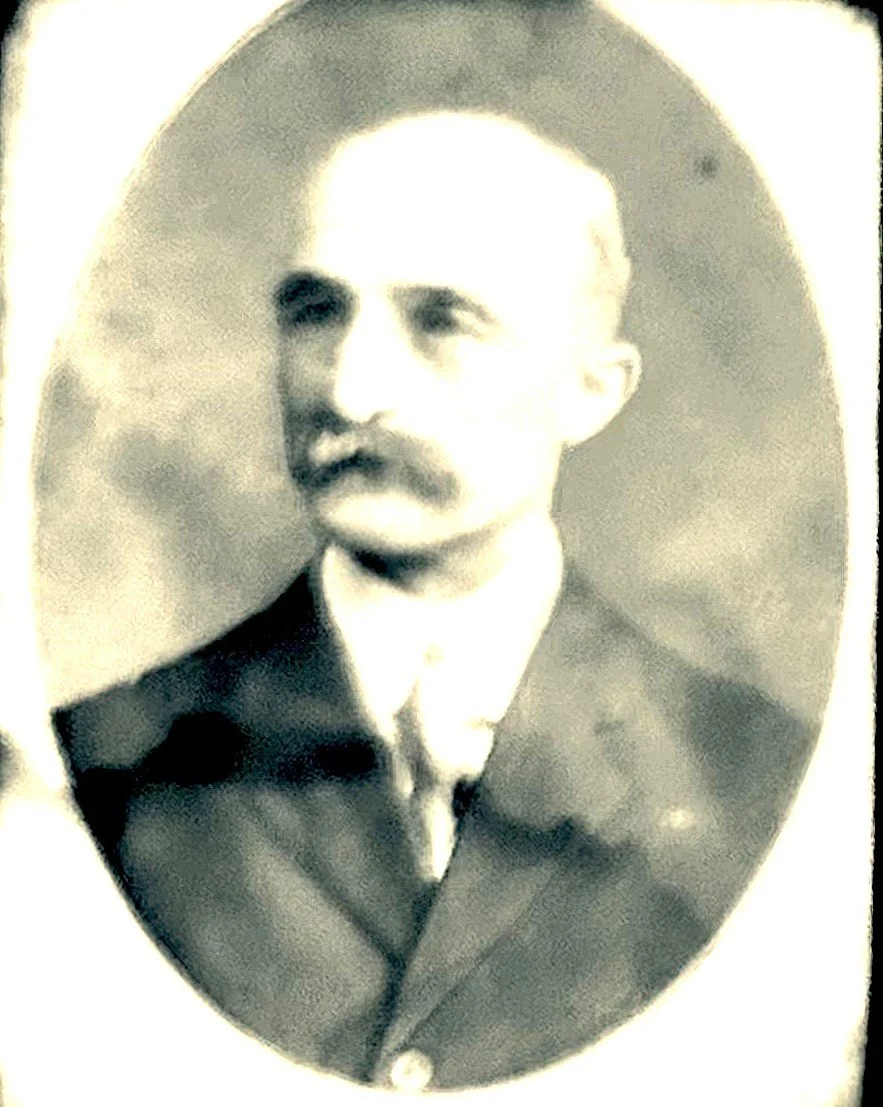
Roush served for 23 years through the Spanish-American War. Near the end of his pastorate the church began a major renovation, finished in 1915. He saw the creation of the ‘new’ church road to accommodate the invention called the automobile. In 1914, he supported the formation of the Union Ladies Aid Society, enhancing community outreach.
Old Goshenhoppen’s 1915 Renovation: A Technological Breakthrough
Begun under Rev. Roush and finished in 1915 under Rev. Thomas R. Brendle, Old Goshenhoppen’s renovation embraced cutting-edge technology, expanding the church by 18 feet, elevating the sanctuary to the second floor, adding a ground-floor assembly room, and installing stained glass windows. Afterward Old Goshenhoppen was considered one of the most modern churches in the country. A pioneering system for deaf congregants wired front pews to battery-powered, telephone-like receivers linked to an altar transmitter, allowing the hearing-impaired to hear sermons clearly. This legacy continues with modern headphones and call-in options, ensuring the Gospel remains accessible to all.
Rev. Thomas R. Brendle (1913–1926)
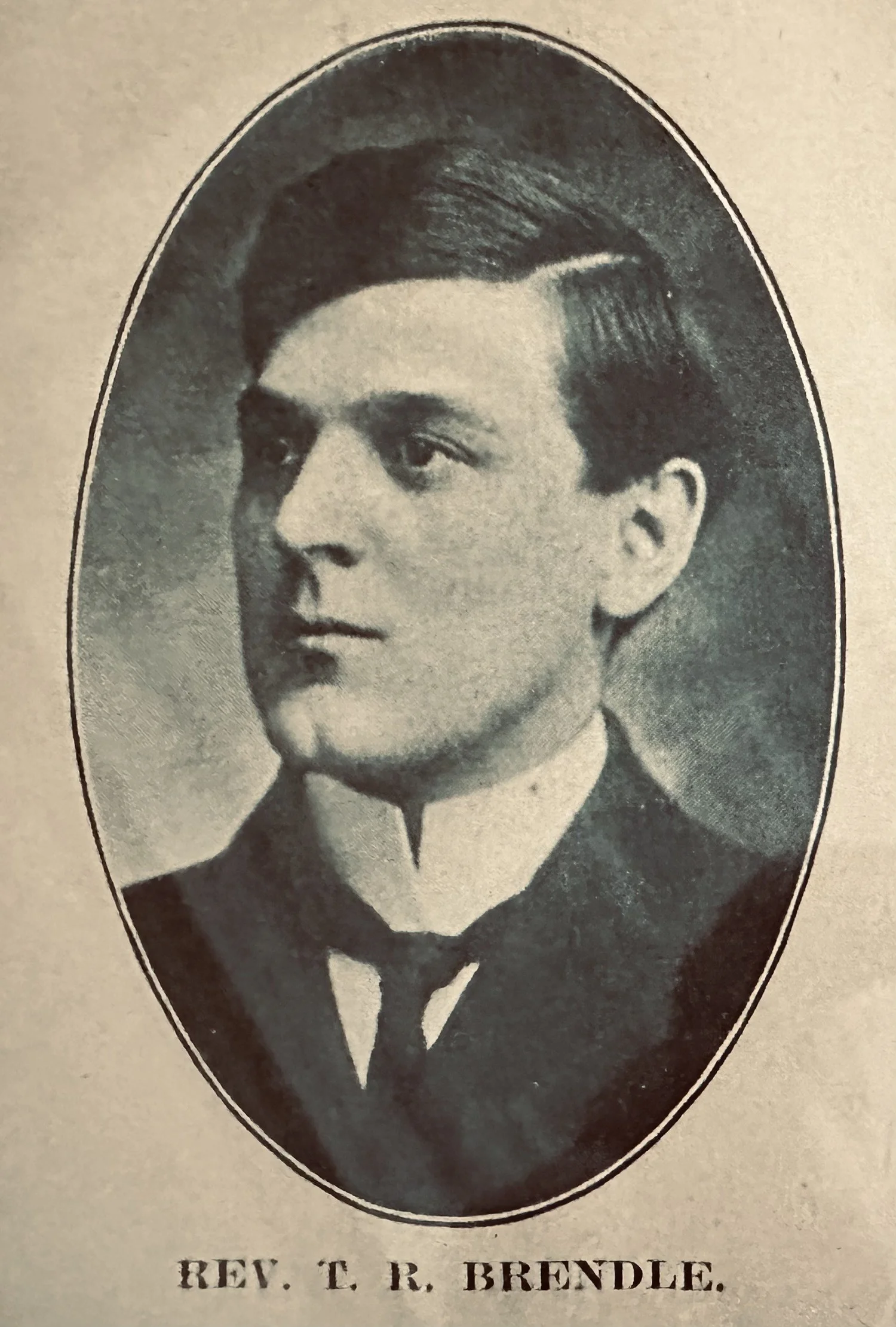
Thomas R. Brendle, starting in 1913, guided Old Goshenhoppen during World War I and the 1918 flu pandemic, into the Roaring Twenties. In 1915 he saw through to completion a major renovation that expanded the church, relocated the sanctuary upstairs, and introduced a hearing aid system for deaf congregants. A distinguished historian, he collected over 15,000 entries of Pennsylvania German folklore, preserved primarily at Franklin & Marshall College, helping establish the Goschenhoppen Historians. He rediscovered the Schlatter Bible in a trash pile under the church stairway, preserving it as a priceless artifact. He is also the first Old Goshenhoppen pastor whose voice we can still listen to: Listen to a Thomas R. Brendle snippet explaining to a group the science of audio recordings. He used this advancement in technology to record a variety of old regional folk hymns.
Rev. Charles H. Brown (1926–1949)
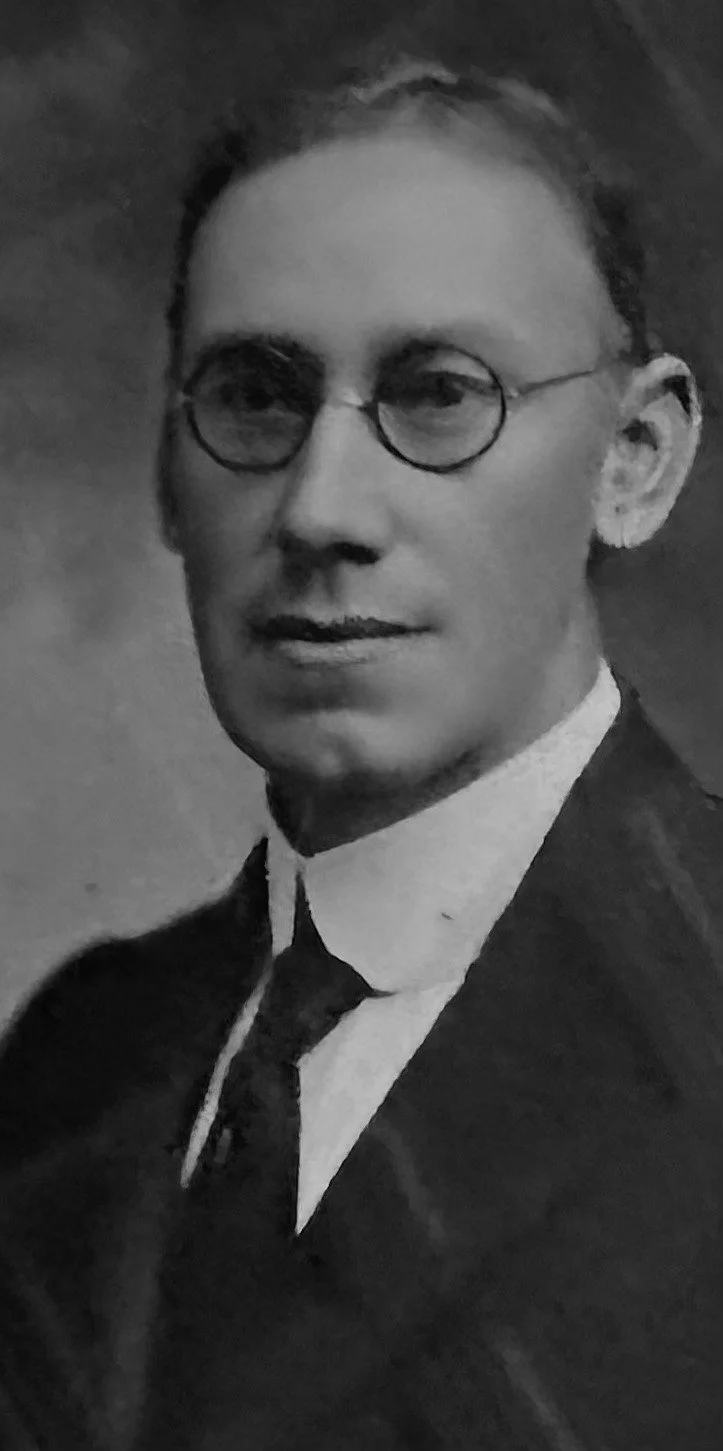
Served for 23 years through the Great Depression and World War II, leading during economic collapse and global conflict. As the final pastor to regularly conduct full services in German when called upon, he preserved the congregation’s linguistic heritage. In 1929, he oversaw the addition of Deagon Chimes to the pipe organ, and in 1936, the erection of a pavilion in the picnic grove. He served during the church’s 200th anniversary (1930), honoring two centuries of Gospel proclamation. He also saw an iron fence that protected both the cemetery and church of the property donated to the scrap metal drives during World War II.
Transitional Ministry (1949–1954)
Bridging major eras, this brief period describes Old Goshenhoppen’s Gospel mission during the post-World War II recovery and early Cold War tensions. As America rebuilt and the Korean War (1950–1953) unfolded, the church began to drift towards a denominational footing by calling two pastors ordained in the Evangelical and Reformed Church, the denomination that joined in forming the United Church of Christ in 1957.
Rev. Edward J. Tallis (1949–1951)
Born in Perkiomenville, PA, Rev. Edward J. Tallis graduated from Ursinus College and Lancaster Theological Seminary. After serving in the Army from 1944 to 1946, he ministered at Old Goshenhoppen Reformed Church and Frieden’s Reformed Congregation in Sumneytown from 1949 to 1951 in the post-World War II era. With German services now left behind, the congregation called Rev. Edward Tallis, who had been ordained in the Evangelical and Reformed Church.
Rev. Robert A. Haas (1951–1954)
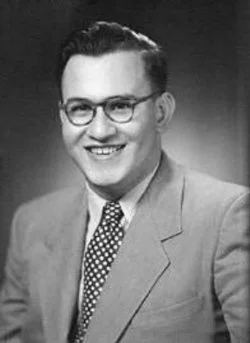
As a child, Rev. Robert A. Haas lost a leg due to a rare blood disease but persevered to pursue a career in ministry. He graduated from Franklin and Marshall College in 1948 and Lancaster Theological Seminary in 1951, working summers at the Allentown Call-Chronicle newspapers during his seminary years. Ordained in the Evangelical and Reformed Church on June 10 of his graduation year, Haas led Old Goshenhoppen Reformed Church until 1954, guiding it toward the United Church of Christ.
Cultural Shifts and Taking On Denominational Ties (1955–2010)
Affiliating with the United Church of Christ (1957–circa 2010), Old Goshenhoppen navigated the Civil Rights Movement, Vietnam War, and post-Cold War era, balancing cultural shifts with its Reformed heritage. In 1955, a two-week Daily Vacation Bible School, staffed by Union Sunday School teachers, volunteers, and pastors, launched a new educational outreach, reflecting the church’s adaptability amid rapid societal change.
Rev. Raymond Deily Groff (1955–1960)
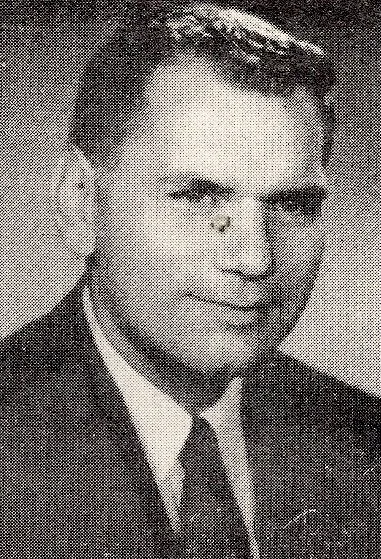
In 1955, he oversaw the introduction of the Daily Vacation Bible School. And in 1957, he led Old Goshenhoppen to embrace an official UCC affiliation, amid the Civil Rights era’s early stirrings.
Ruthanne Kelchner (1961–1963)
During these years the denomination installed a woman, Ruthanne Kelchner, to serve in the pastoral role. God’s Word does not permit women to hold the pastoral office: “I do not permit a woman to teach or to exercise authority over a man; rather, she is to remain quiet” (1 Timothy 2:12), and “an overseer must be above reproach, the husband of one wife” (1 Timothy 3:2). Recording this is not a criticism of her, and there are still fond memories of her within the congregation. Nor is it a criticism of the congregation, which was following the denomination it had recently joined and trusted for its pastoral care. Nor does it diminish the women of the church, without whose faithful service the congregation would not have persevered through these decades. Her brief tenure marks a moment when the congregation was no longer looking to Heidelberg, to its history or to its roots, and it reminds us that our Lord, who died for the church, has authority over how His church is ordered.
Rev. Amos L. Seldomridge (1963–1982)
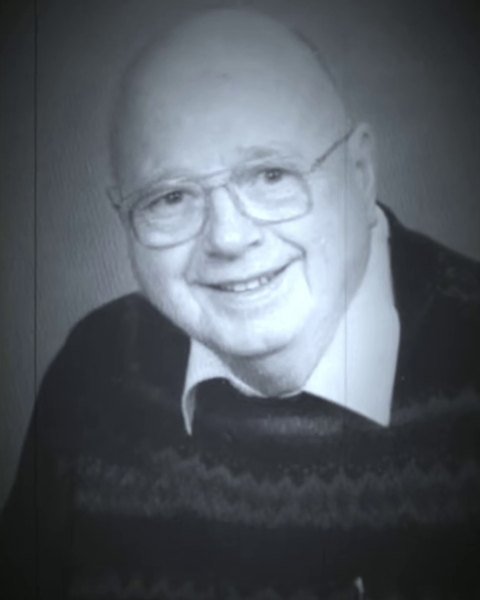
Served for 19 years through the Vietnam War (1955–1975), much of the Space Race (1957–1975), and the Watergate scandal (1972–1974). A Navy chaplain during World War II, he presided over a broader restoration of the 1732 Gemeinhaus in the 1970s, saving it from destruction. His love of history and genealogical research enriched the church’s legacy. He served during the 250th anniversary (1980), named Pastor Emeritus in 1982, and died May 30, 2016. The original Goschenhoppen Folk Festival, presented by the Goschenhoppen Historians, was hosted at Old Goshenhoppen in 1967. He is also remembered for holding regular healing services at Old Goshenhoppen.
Rev. John L. Trout (1982–1990)
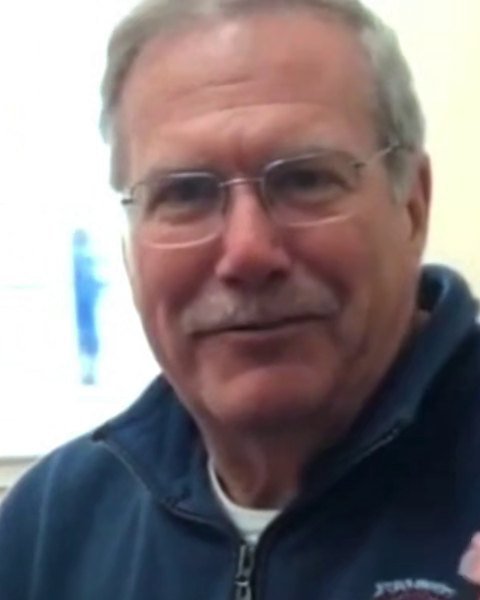
In 1989, the Union church arrangement with Old Goshenhoppen Lutheran, which began in 1732, ended when the Lutheran congregation relocated, concluding more than 250 years of shared worship. Trout led during the Reagan era and the end of the Cold War (1989). After leaving Old Goshenhoppen, he continued serving in the United Church of Christ until 2015.
Rev. William M. Gaydos (1992–2010)
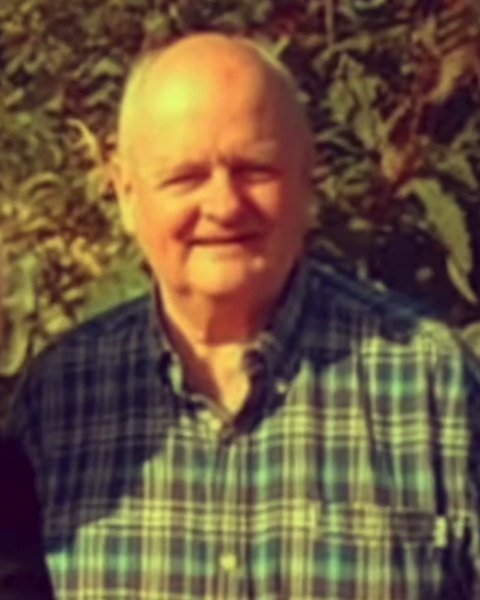
A beloved pastor, Gaydos served for 18 years through the post-Cold War era, the September 11 attacks (2001), and the Iraq War (2003–2011), helping Old Goshenhoppen weather a tumultuous time. His deep appreciation for the church’s history led him to suggest that his successor might guide Old Goshenhoppen closer to its original Reformed roots. Also a fun quirk in his time at Old Goshenhoppen is he saw the Oyster Picnic return to having fresh oysters. During his tenure, the UCC proposed relocating the congregation from this historic site to the main road, a move the congregation firmly rejected, affirming their commitment to this historic property. Gaydos’s leadership paved the way for Rev. Stephen B. Ford to initiate the church’s return to independence.
Return to OGRC’s Historic Reformed Roots (2010–present)
Reclaiming its independent, Bible-believing Reformed identity, Old Goshenhoppen has thrived amid modern challenges, including a 2019 tornado and the Covid-19 pandemic, rooted in the Heidelberg Catechism. The church’s unwavering commitment to in-person worship, digital outreach through livestreamed sermons, and restoration of historic structures like the Gemeinhaus reflect its mission to proclaim the Gospel in a rapidly changing world.
Rev. Stephen B. Ford (2010–2013, Interim 2017–2018)
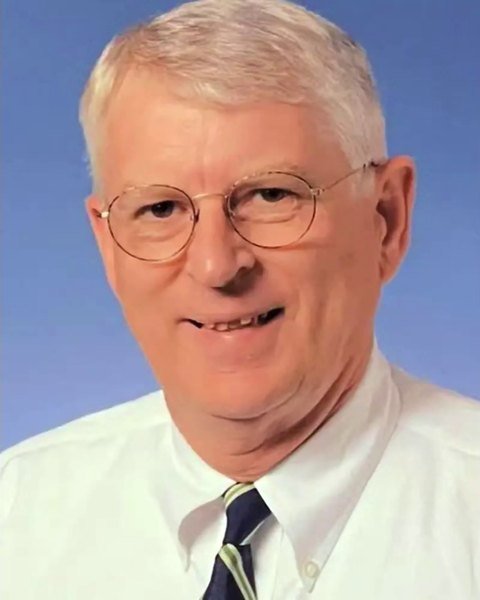
An ordained Presbyterian minister, Ford served first as interim pastor and led Old Goshenhoppen out of the UCC, restoring its independent, Bible-believing Reformed identity and reintroducing the Heidelberg Catechism as the church’s guiding catechism. He returned as interim pastor between the ministries of John J. Fanella and the present pastor, initiating the process of writing a new church constitution and bylaws.
Rev. John J. Fanella (2013–2017)
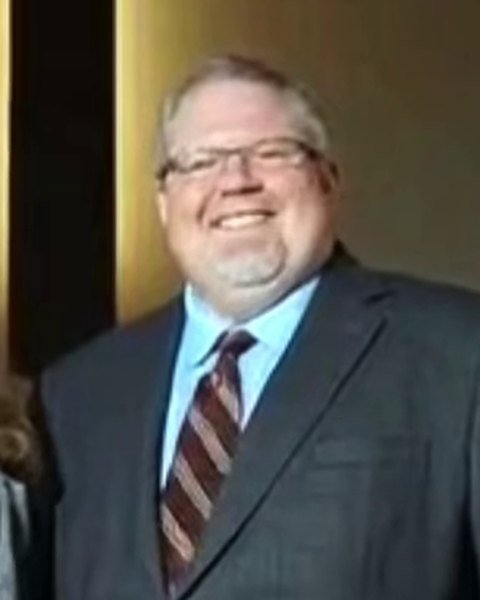
Served during OGRC’s renewed independence, pouring into community outreach and service. Fanella is known for modernizing Sinners in the Hands of an Angry God by Jonathan Edwards (2017) and The Heavenly Footman by John Bunyan (2012) into contemporary English and has served at several pulpits since leaving Old Goshenhoppen.
Rebuilding on the Old Foundations (2018–present)
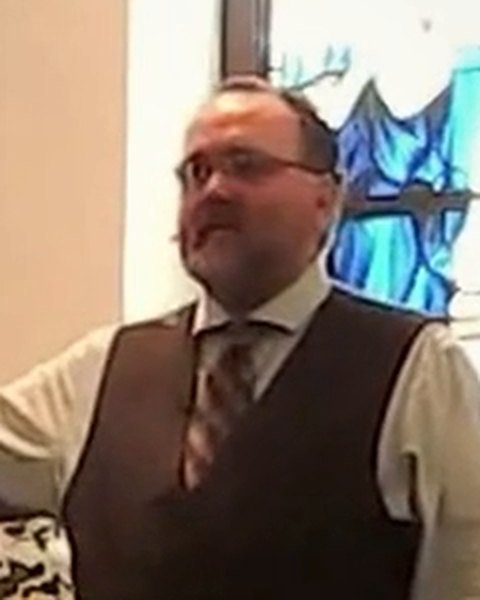
With the call of Kevin Park as pastor, the consistory, building on Ford’s interim work, finalized a new church constitution and bylaws, which the congregation unanimously approved in early 2019. That May a tornado damaged every building on the church property, though all remained repairable, and during this challenging time God called Rev. Bruce Clydesdale to serve as associate pastor. The church never closed, neither for the tornado nor for the Covid pandemic that soon followed, upholding religious liberty and the priority of in-person, God-glorifying, biblically rich worship rooted in historic Reformed tradition, while live-streaming sermons for those unable to attend in person. On January 1, 2023, the eldership was reestablished, an original part of the congregation’s founding structure lost under UCC leadership, with three elders called to serve alongside the pastors. That same year the upper pavilion became a four-season structure and restoration work on the Gemeinhaus began. In January 2024 the diaconate was restored, with three deacons and three deaconesses called into service. By 2025 a second restoration of the Gemeinhaus was completed, and it is used again for worship and prayer, including Easter sunrise communion. That October the congregation hosted the Reformed Church in the United States to mark three hundred years since the first German Reformed communion in America. The Lord’s Supper is again served every Lord’s Day, as was the custom of the union church, and the Heidelberg Catechism is read through in worship every three years.
A Living Legacy
Old Goshenhoppen Reformed Church stands as a Bible-believing, independent Reformed congregation, committed to the inerrancy of Scripture and the Heidelberg Catechism. Through wars, economic crises, and pandemics, the church has proclaimed the Gospel’s comfort: “What is your only comfort in life and in death? That I am not my own, but belong—body and soul, in life and in death—to my faithful Savior, Jesus Christ.” Our worship, every Sunday at 10:00 AM, centers on Scripture’s truth, inviting all to encounter Christ’s redemption. From the first communion at Skippack in 1725 to our present ministry, Old Goshenhoppen desires, by God’s grace, to shine as a beacon of faithfulness. Join us to hear the Good News of Jesus Christ and become part of a community rooted in Scripture for nearly three centuries.
Works Referenced
The following list includes some of the key sources used to compile this historical account of Old Goshenhoppen Reformed Church. Additional information may have been drawn from other historical records, oral traditions, or related materials not listed here:
- Hinke, William J. A History of the Goshenhoppen Reformed Charge, Montgomery County, Pennsylvania (1727–1819). Lancaster: Pennsylvania-German Society, 1920.
- Harbaugh, Henry. The Life of Rev. Michael Schlatter. Philadelphia: Lindsay & Blakiston, 1857.
- Hinke, William J. Life and Letters of the Rev. John Philip Boehm, Founder of the Reformed Church in Pennsylvania, 1683–1749. Philadelphia: Publication and Sunday School Board of the Reformed Church in the United States, 1916.
- Weiser, C. Z. A Monograph of the New Goschenhoppen and Great Swamp Reformed Charge, 1731–1881. Lancaster: Pennsylvania-German Society, 1920.
- Documentary History of the Evangelical Lutheran Ministerium of Pennsylvania and Adjacent States: Proceedings of the Annual Conventions from 1748 to 1821. Philadelphia: Board of Publication of the General Council of the Evangelical Lutheran Church in North America.
- Cornerstone Agreement, 1744. Manuscript deposited in the cornerstone of Old Goshenhoppen Union Church, May 14, 1744.
- Old Goshenhoppen Church Records, 1727–1955. Archival records including treasurer’s accounts, shipping records, and minutes of joint meetings.
- Vandersloot, Lewis. History and Genealogy of the Von der Sloot Family: A Comprehensive Record of Genealogical Data and Biographical and Historical Information, Chronologically Arranged, of Members of the Vandersloot Family; Properly Authenticated, and Compiled with Utmost Care. Harrisburg, PA, [n.d.].
- Goschenhoppen Historians. www.goschenhoppen.org. Accessed for historical information on Old Goshenhoppen Reformed Church and the Goschenhoppen region.
- Shamblin, George. www.georgeshamblin.com. Accessed for historical information on Rev. John Peter Miller’s pardon of Michael Widman and translation of the Declaration of Independence.
- Boehm, John Philip. Letter of April 20, 1744, with postscript of July 7, 1744. In Hinke, Life and Letters of the Rev. John Philip Boehm (above).
- Ship list of the William and Sarah, Philadelphia, September 1727.
- Historical teaching at Old Goshenhoppen Reformed Church: The History of Old Goshenhoppen Reformed Church (video, 2025); Old Goshenhoppen History: From Heidelberg to 1746 (Upper Salford Historical Society, April 27, 2026); A History of Old Goshenhoppen, Part 1 (Sunday School, May 31, 2026). Available on SermonAudio.